
VHG- Vivekananda Health Global, is an initiative of Vyasa Health Care, Bengaluru.
The frozen shoulder, also referred to in the form of adhesive capsulitis, is an illness that causes pain as well as stiffness of the joint. It can make movement difficult.
The shoulder joint can be stiff and painful when you suffer from a frozen shoulder. The primary reason behind the frozen shoulder is life-style that is sedentary and a lack of focus on exercise. The majority of cases occur between 40-60 and occur more frequently in women than men. It is therefore crucial to understand the best treatment for frozen shoulders. Ayurvedic treatment.

The full range of symptoms may arise over around two years, but early symptoms include

Pain in the shoulder, especially unexpected pain, when no known injury is present
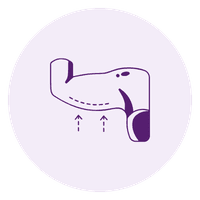
Difficulty lifting one’s arm above the head
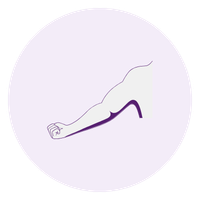
Difficulty extending one’s arm across the body or reaching behind the back
movement of the shoulder causes pain, and the shoulder’s ability to move becomes limited. This stage lasts from 2 to 9 months
Pain might lessen during this stage. However, the shoulder becomes stiffer. Using it becomes more difficult. This stage lasts from 4 to 12 months.
The shoulder’s ability to move improves. This stage lasts from 5 to 24 months.
For some people, the pain worsens at night, sometimes disrupting sleep.
Frozen shoulder results from inflammation and tightening of the capsule around the shoulder joint.
Medical conditions such as diabetes, overactive or underactive thyroid
Immobility or reduced mobility due to arm fracture, stroke, or surgeries such as mastectomy
Age: More common among elderly persons
Gender: Women are at higher risk of developing frozen shoulder
Previous injury

Yoga practice helps relieve the pain and stiffness of a frozen shoulder, warms up the shoulder joint, and frees up the spaces in the shoulder. Yoga opens the shoulder and chest area. This relieves stiffness and permits full and painless shoulder movements.
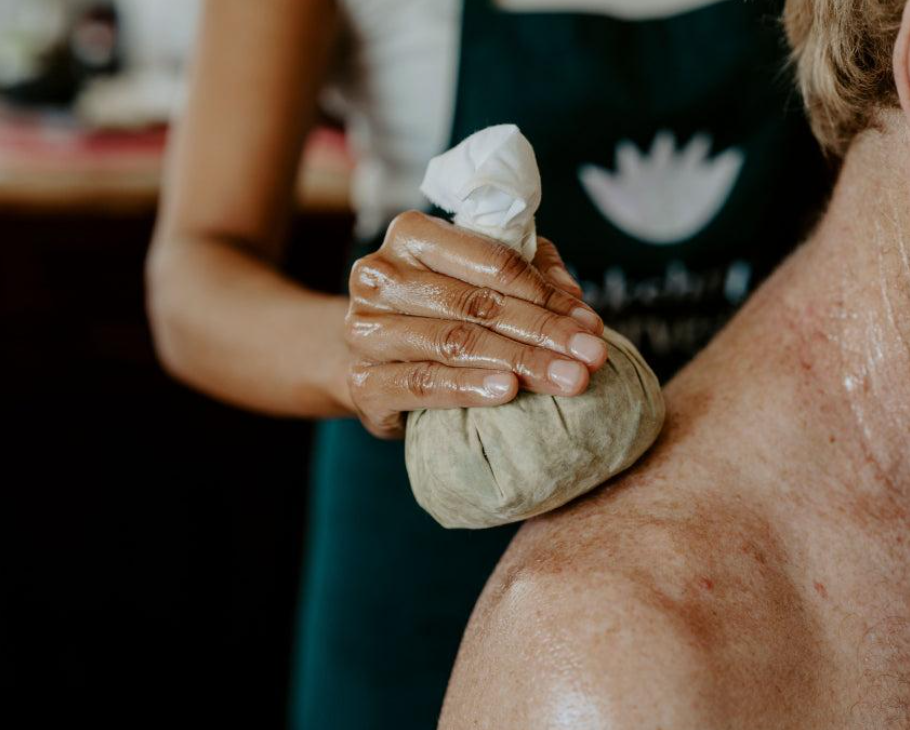
Oral medicines are advised to reduce pain and inflammation along with external oil-based treatments such as Patra potalasweda or Elakizhi ( fomentation with medicated leaves bolus), Pichu (oil padding therapy) and Nasya ( nasal errhines)

Before beginning shoulder exercises for a frozen shoulder, try to warm up your shoulder by doing a few warm-up exercises. This will improve the blood supply in the affected area and avoid future injuries by making your body more comfortable with the motion. The best approach is to extend and warm up the shoulder by applying heat for 10 to 15 minutes, scrubbing down, or showering with Epsom salt.

While these activities mentioned above can be easily performed at home, if pain continues and makes it difficult to move around or work ordinarily, see a physiotherapist who can appoint particular activities and can enhance your scope of movement, flexibility, and strength.

Acupuncture is considered one of the best treatment choices for any joint and nerve-related problem. The treatment is based on focusing on the trigger points of the pain and putting pressure on them via needles. The treatment is not painful and is known to produce good results in the long run.

Various supplements can be taken with the recommendation of a doctor to improve recovery. Anti-inflammatory diets like turmeric, omega-3 fatty acids, magnesium and CoQ10 are the most regularly recommended elements that relieve swelling and repair the tissue in the shoulder